India is proud of its demographic dividend. And its youth population is certainly an asset to the country’s development. Our policymakers are making giant strides in strategically investing and empowering its youth. And inclusive education is a strong pillar of support to drive the desired growth by empowering diverse students across the nation.
In this article, we will cover all about the principles and advantages of inclusion in education, along with the role of educational alternatives (like online schools) in extending the reach of inclusive education.
Let’s start with some facts first.
Some Facts
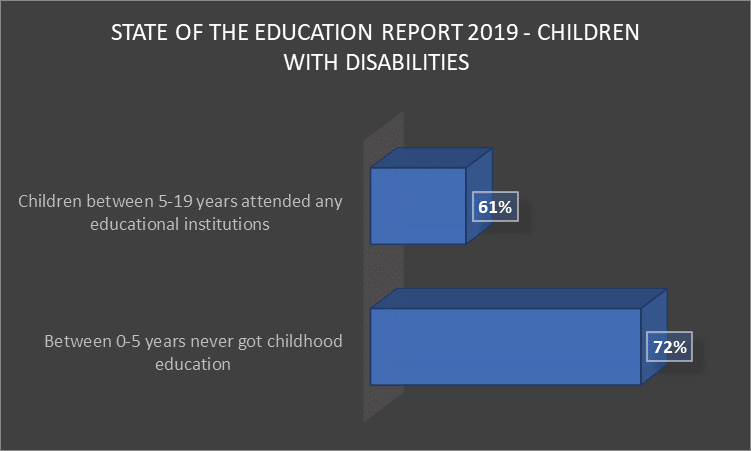
(Source- Government of India and the State of the Education Report for India 2019 the children with disabilities)
For the differently-abled students, it is often a rocky terrain to complete school education with their regular peers.
Here’s a look at the condition of education pertaining to special students in India.
- 72% of these children (between 0 to 5 years) never got any childhood education.
- 61% (age group 5-19 years) did attend any educational institution.
What is Inclusive Education?
Broadly, inclusive education aims at creating opportunities for education across all types of students including the ones with special needs and the ones from the marginalized sections of society.
In an inclusive learning environment, special and regular students share the same classrooms and learn under the same teachers. So, we can also define inclusion in education as the cornerstone for equality in educational opportunities through a planned approach.
What is the Importance of Inclusive Education?
In India where we consider education as every child’s right, it becomes important to define inclusion in education and safeguard the rights of our special students. This approach empowers students from marginalized communities by extending their access to quality education. For decades, our country has been battling with extreme poverty. And with the efforts of our policymakers, we have also come a long way with a much-improved situation.
Here’s a quick fact before we proceed:
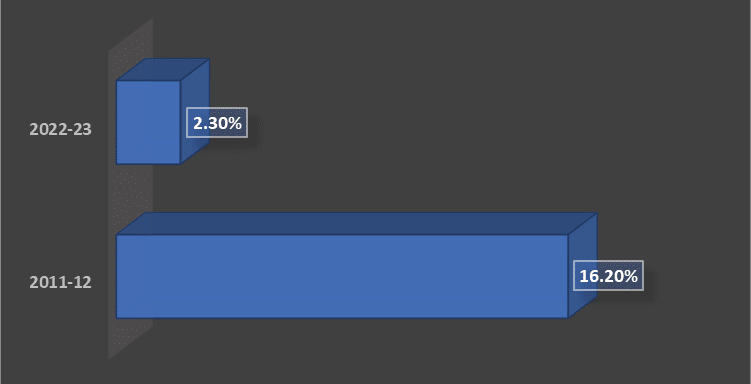
Extreme poverty rates dropped considerably in India between 2011 and 2023.
| Year | % |
| 2011-12 | 16.20% |
| 2022-23 | 2.30% |
Let’s move to the principles of inclusive education now.
Noteworthy Principles of Inclusive Education
The below-mentioned principles highlight the need of inclusive education:
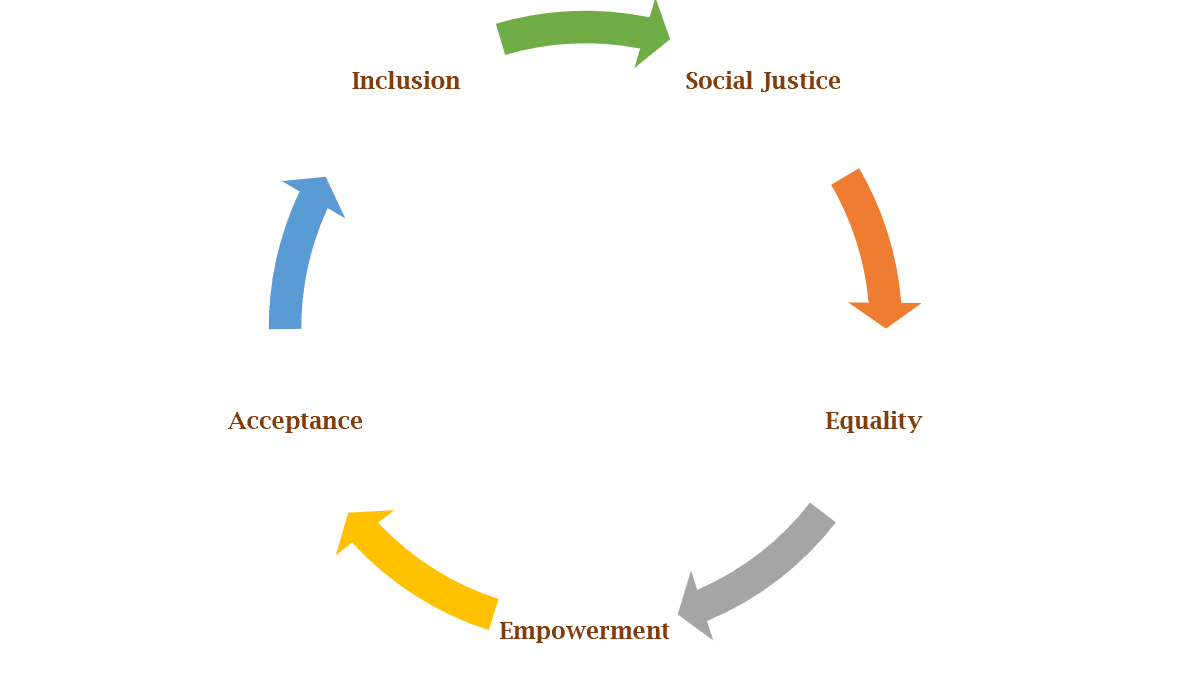
- To create equal learning opportunities and cascade the advantages of inclusion in education to all types of students.
- Promote all-round development of students across all learning needs and backgrounds.
- To create a conducive learning environment that promotes harmony and understanding despite individual differences.
- To ensure social justice and safeguard the rights of all students as per the Indian constitution.
- To encourage students and stakeholders to participate in all activities designed to enhance the educational experience.
- To improve accessibility of resources, and facilities to students of all parts of society.
- To help all students adjust with each other with the right handholding in an environment of mutual respect.
After these principles, it’s time to discuss the benefits of inclusive education.
Advantages of Inclusive Education
Preparing Students for the Real-World
In workplaces and society in general, we interact with all types of individuals in different settings. Inclusive education gives students an opportunity to mingle and collaborate with each other right from the initial stages of life. This way, the benefits of inclusive education cascade seamlessly. And students learn to appreciate and accept the diversity around them better with these experiences.
Today in this highly interconnected world the world is beyond geographical boundaries. And diversity is the new normal in global workplaces.
Extending Opportunities
When we define inclusion in education, we mention extending the scope of opportunities. Inclusive classrooms allow all students to access the same level of resources, despite their financial backgrounds, and family support.
Fulfilling Educational Needs
While all students are different, their individual needs also differ drastically. Learning styles, disabilities (physical and learning), and preferences are assimilated better in an inclusive classroom.
Social Justice
Inclusive education improves educational opportunities for all types of students to promote social justice. This also helps students learn about their rights, and they also understand about the rights of other peers (like special and underprivileged).
Now that we know enough about the need of inclusive education, let’s discuss how educational alternatives like an online school extend the benefits of inclusive education to differently-abled students.
How Does an Online School Implement Inclusive Education?
Improving Accessibility
Online schools are free from barriers like physical location, and geographical boundaries. These schools operate virtually and extend educational opportunities to differently-abled students across the country. With this choice, students need not travel to any location, or visit a physical building to carry on with their learning. This helps many students especially the ones with physical disabilities. And also reduces threats like school violence and bullying etc. for these students.
Tailored Learning
Most students with special needs need a customized learning plan. And online schools define inclusion in education perfectly to offer them JUST WHAT THEY NEED.
Top accredited online schools have programs like One-to-One Learning and function with comparatively smaller class sizes. Special students can select any such program and learn at their own pace without feeling intimidated by other peers.
Technology Support
With educational choices like online schooling, the importance of inclusive education is now a widely accepted norm with more choices and better resources for these students.
Virtual tools, video, animation, audio, podcasts, recorded lectures, text-to-speech software, assistive technology, sign language, screen reading tools, font options, etc. offer excellent support to special students.
The Bottom Line
The importance of inclusive education is paramount. And it is praiseworthy to create policies and make efforts in this regard. As India advanced to match the pace of the global leaders, inclusive education helps by accepting and celebrating the unique capabilities of Indian students. Most importantly, it makes educational endeavors more fruitful at each level, leaving scope for any student to be left behind!
Thanks for Reading!
Frequently Asked Questions
- What is inclusive education meaning?
The simplest inclusive education meaning is to create equal educational opportunities for all types of students irrespective of their backgrounds and learning needs. - What is the need of inclusive education?
Inclusive education safeguards the rights of students coming from underprivileged backgrounds and the ones with disabilities (both learning and physical). Without inclusion, many students cannot enjoy their right to education freely.- What are the top advantages of inclusion in education?
Inclusion helps students accept diversity in the world, it prepares them to live in harmony with all other members of the society without any discrimination.
- What are the top advantages of inclusion in education?
Must Read
- Train Your Brain: How to Stay Focused While Studying?
- Become a Topper: Tips to Study Smartly for Exams
- Mindfulness: Techniques to Deal with Exam Stress and Anxiety
- Importance of Library for Students in the Knowledge Age
- Benefits of Reading Books: Why Everyone Should Read More
- Unlocking Potential: A Guide to Reading Skills & How to Build Them in Children (2024)
- Top 10 Best States for Education in India: Facts and More
- Why Reading Is Important for Children?
- How to Revise: 10 Tried and Tested Revision Techniques (With Pro Tip)
- What is The Importance of Math & Why Does It Matter in The Real World?
- Importance of English Language: A Passport to Success
- Best Hobbies for Students to Boost Their Mental Health